How to Build an Investor-Ready Pitch Deck in 2025
Creating an investor-ready pitch deck in 2025 is no longer just about impressing investors with flashy slides. It’s about clear storytelling, meaningful data, and structured delivery that showcases your startup’s potential to grow and scale. In this guide, we’ll walk you through every step to make your startup pitch deck effective, relevant, and funding-ready.
What Is an Investor-Ready Pitch Deck?
An investor-ready pitch deck is a well-structured presentation used by startups to pitch their business idea to potential investors. It includes everything from your startup vision to your traction metrics and financial roadmap. This tool is critical in 2025, as investors expect clarity, confidence, and concise communication.
Whether you’re preparing a seed funding pitch deck or a Series A pitch deck, your goal remains the same: Win investor trust with your startup storytelling.
📊 Why Your Startup Pitch Deck Matters More Than Ever
In today’s hyper-competitive startup landscape, a strong startup pitch deck can make or break your first impression. Investors go through hundreds of decks monthly. So, yours needs to stand out by offering a compelling problem-solution slide, solid business model slide, and clearly defined traction metrics.
An investor-ready pitch deck gives you the platform to showcase your vision, your product-market fit, and your potential to deliver returns. Therefore, investing time and expertise in creating one is absolutely essential.
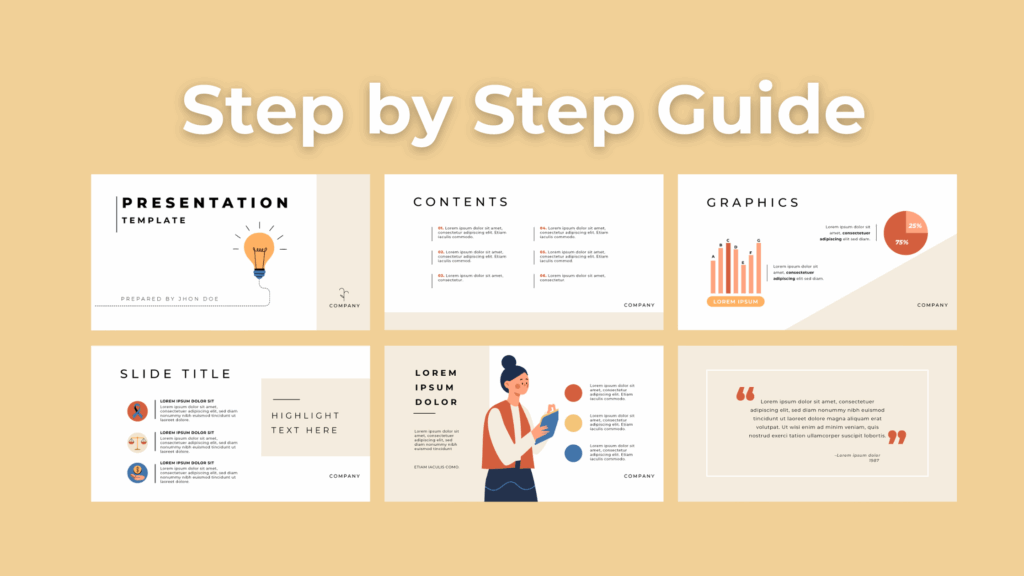
Step-by-Step Guide to Build an Investor-Ready Pitch Deck in 2025
1. Start with a Strong Cover Slide (Your Identity)
This slide sets the tone. Include your logo, startup name, and a compelling one-liner about what you do. First impressions still matter, even in a digital-first 2025.
2. Craft a Powerful Problem-Solution Slide
Highlight the problem you are solving in real-world terms. Then, explain how your solution changes the game. A well-crafted problem-solution slide is the heartbeat of any startup pitch deck.
Use real data or relatable storytelling to show how painful the problem is and why your solution is worth funding.
🧱 Must-Have Slides for an Investor-Ready Pitch Deck
3. Business Model Slide
Investors care deeply about how you plan to make money. Your business model slide should outline revenue streams, pricing strategy, target customer segments, and how you plan to scale them.
Keep it simple, visual, and direct.
4. Market Opportunity Slide
Demonstrate your understanding of the market. Include total addressable market (TAM), serviceable addressable market (SAM), and your ideal customer profile.
Use market trends and real numbers wherever possible.
5. Traction Metrics
One of the strongest parts of a pitch deck in 2025 is your traction metrics. Include customer growth, monthly revenue, retention rates, and key milestones. This shows momentum and helps investors see that your idea is working.
💡 Bring It All Together with Storytelling
6. Startup Storytelling and Vision
Use startup storytelling to tie all your slides together. Why did you start? What problem moved you to build this? What’s the vision for the next 5 years?
Powerful narratives can make your investor-ready pitch deck more memorable and emotionally resonant.
7. Slides for Pitch Deck That Work in 2025
Investors expect these slides as standard:
- Founder Slide (highlight your team)
- Product Demo or Screenshots
- Go-to-Market Strategy
- Competitive Landscape
- Ask (How much funding, and what for?)
Each of these slides plays a role. The founder slide, for example, gives insight into your ability to execute.
Why a Pitch Deck Is Important in 2025
In 2025, startup founders face more competition, shorter investor attention spans, and a greater emphasis on data-driven decision-making. That’s why having a pitch deck for investors isn’t just useful—it’s essential.
A well-crafted investor-ready pitch deck is important because:
🎯 It’s your first impression: Before meetings or demo days, investors usually ask for a deck to screen startups.
💼 It communicates your business model clearly and efficiently—usually within 3–5 minutes.
🧠 It demonstrates strategic thinking: A tight, well-structured deck reflects that you understand your market, competition, and business fundamentals.
💸 It sets the stage for funding: Investors rarely commit after a meeting alone—your pitch deck travels beyond the room and continues doing the talking.
🤝 It aligns your team: A great pitch deck keeps your messaging consistent across co-founders, mentors, and even early hires.
In short, your startup pitch deck is not just a tool to raise funds—it’s a tool to build trust, drive clarity, and position your startup for growth.
Common Mistakes to Avoid in a Startup Pitch Deck
- Overloading slides with text
- Using outdated metrics or vague claims
- Missing out on key slides like your traction metrics or business model
- Not tailoring your pitch deck for investors
Remember, your investor-ready pitch deck isn’t just about getting attention—it’s about getting funding.
How Innomax Startup Advisory Can Help
At Innomax Startup Advisory, we specialize in helping founders craft world-class, investor-ready pitch decks. Our support includes:
- Designing custom seed funding pitch decks and Series A pitch decks
- Structuring your slides for pitch deck to meet global standards
- Helping you refine your startup investor presentation through coaching and practice
- Building solid problem-solution slides, business model slides, and founder stories
- Improving your traction metrics to be investor-attractive
- Enhancing your startup storytelling for clarity and confidence
Final Tips Before You Pitch
- Always customize your pitch deck for investors
- Use simple design and visuals
- Keep each slide focused on one message
- Practice your pitch with peers or mentors
Include your contact details on the last slide
Conclusion
A winning investor-ready pitch deck is not about complexity—it’s about clarity, purpose, and potential. With the right startup pitch deck, you increase your chances of getting noticed and funded.
In 2025, storytelling, data, and structure are your superpowers. Whether you’re crafting a seed funding pitch deck or presenting to VCs, keep your vision sharp and your delivery sharp. And if you need expert help, Innomax Startup Advisory is here to guide you every step of the way.
10 FAQs – How to Build an Investor-Ready Pitch Deck in 2025
What is an investor-ready pitch deck?
An investor-ready pitch deck is a structured presentation that outlines your startup’s vision, product, market, and business potential.
How long should my startup pitch deck be?
10–15 slides is ideal. Focus on clarity and storytelling.
What should a problem-solution slide include?
Define the market problem and how your solution solves it better than others.
How do I create an effective business model slide?
Show how your startup makes money and scales profitably.
Should I include traction metrics in a pre-revenue startup pitch deck?
Yes, even user engagement, pre-orders, or partnerships count as traction.
What do investors look for in the founder slide?
Background, achievements, and why you’re the right team to win.
How do I make my pitch deck design stand out?
Use consistent fonts, clean visuals, and avoid heavy text.
How much detail should I include in the financials?
Enough to show understanding of your projections, unit economics, and burn rate.
Can Innomax help with my startup storytelling?
Absolutely. We refine your messaging, narrative, and pitch clarity.
Is one pitch deck enough for all investors?
No, tailor your startup pitch deck based on who you’re pitching to—angel, VC, or incubator.