Bootstrapping vs. Funding: Which is Right for Your Startup?
Introduction: The First Big Choice Every Founder Must Make
Every startup begins with a dream—but how that dream is funded can shape its entire journey. One of the toughest early decisions founders face is this: Do you bootstrap your startup or raise external funding? It’s not just a financial choice—it’s a strategic one that can impact your control, pace, and long-term success.
At Innomax Startup Advisory, we’ve worked with founders across the spectrum—some who thrive by bootstrapping a startup from scratch, and others who scale faster through smart startup funding options. There’s no one-size-fits-all answer, but understanding the pros and cons of self-funding vs investors can help you make the right decision.
What Is Bootstrapping a Startup?
Bootstrapping means using your own money, savings, or early revenue to fund your startup—without relying on investors. It’s lean, disciplined, and all about doing more with less.
Founders who bootstrap often wear multiple hats. They move fast, stay scrappy, and focus on building a solid foundation without giving up equity.
Benefits of Bootstrapping:
- Full ownership and control of your startup
- Strong financial discipline from day one
- Freedom from investor pressure
Downsides of Bootstrapping:
- Slower growth due to limited capital
- Personal financial risk
- Resource constraints during key scaling moments
For early-stage founders who value independence, bootstrapping a startup can be a rewarding (if challenging) path.
What Does External Funding Look Like?
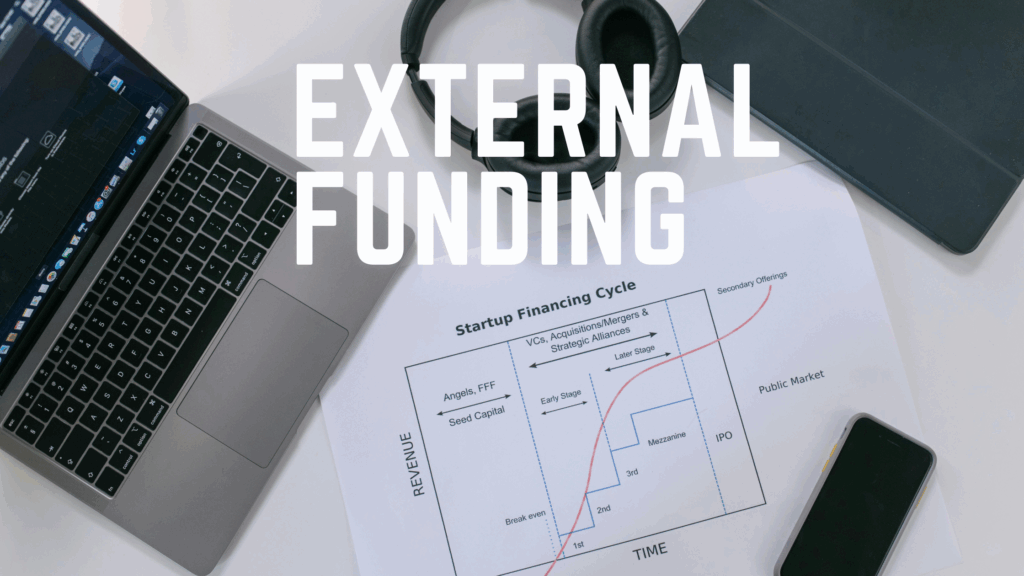
Startup funding options come in many forms—angel investors, venture capitalists, government grants, accelerator programs, and even crowdfunding. This route brings in outside money to help you scale, hire, and grow faster.
When you raise funding, you usually give up equity or take on debt in exchange for capital and strategic support.
Benefits of External Funding:
- Access to larger capital pools
- Faster growth and market entry
- Support from experienced investors and networks
Downsides of External Funding:
- Loss of some ownership and decision-making power
- Pressure to meet investor expectations and timelines
- Time-consuming fundraising process
If you’re aiming to disrupt fast and grow big, choosing the right startup funding option can help unlock that potential.
Self-Funding vs Investors – What’s Right for You?
Let’s compare self-funding vs investors across a few critical factors:
Let’s compare self-funding vs investors across a few critical factors:
Factor
Bootstrapping (Self-Funding)
External Funding
Ownership
100% founder-owned
Shared with investors
Speed of Growth
Gradual, steady
Rapid, aggressive
Risk
Personal financial risk
Shared financial risk
Decision Control
Full autonomy
Shared decision-making
Support
Limited to your network
Access to experienced mentors & investors
Can You Combine Both?
Absolutely. Many founders start by bootstrapping, then raise external capital when they’ve validated the idea and achieved traction. This hybrid model allows you to retain more equity early on while positioning your startup to attract better funding terms later.
At Innomax, we often advise startups to begin lean, prove demand, and only seek funding when they’re ready to grow sustainably. It’s not just about raising money—it’s about raising smart.
How Innomax Helps Founders Navigate Funding Decisions
We don’t just tell you to raise or bootstrap—we help you understand which route aligns with your startup’s vision, stage, and goals. At Innomax Startup Advisory, our services include:
- Strategic planning for bootstrapped startups
- Investor pitch deck development
- Connecting you with the right startup funding options
- Coaching on fundraising vs sustainable self-funding
- Guidance on scaling lean or scaling fast
Whether you’re diving into self-funding or prepping to pitch investors, we help you take confident, informed steps forward.
- Strategic planning for bootstrapped startups
FAQs: Bootstrapping vs Funding for Startups
Is bootstrapping a startup better than seeking investors?
It depends. Bootstrapping gives you control, but external funding offers faster growth. Choose based on your goals and risk appetite.
What are some common startup funding options?
Angel investors, VCs, accelerators, government grants, and crowdfunding platforms are popular funding routes for startups.
Can I start with self-funding and raise later?
Yes! Many founders bootstrap in the beginning and raise funding after gaining traction and proving product-market fit.
Do investors expect fast results?
Most do. Unlike bootstrapping, investor-backed startups face pressure to grow quickly and show returns within specific timeframes.
How much control do I lose with funding?
External funding often comes with shared decision-making, investor oversight, and possibly giving up board seats.
Is bootstrapping risky?
It can be—especially if you invest personal savings. But it also builds strong discipline and full ownership from day one.
Which is more common in India: bootstrapping or funding?
Bootstrapping is still very common in India, though startup funding has grown rapidly in metro and tier-1 cities.
Will bootstrapping hurt my chances of raising funds later?
No. In fact, many investors respect bootstrapped startups that have proven value before seeking capital.
What’s the biggest mistake founders make with funding?
Raising too early or without a clear plan. Whether you’re bootstrapping or fundraising, strategic timing is everything.
How can Innomax help with funding or bootstrapping decisions?
We provide expert guidance tailored to your stage—whether that’s creating a lean bootstrap plan or preparing for investor rounds.
Final Thoughts: Build Smart—With or Without Funding
Whether you choose bootstrapping or funding, your startup’s success depends on strategy, timing, and execution. Self-funding vs investors isn’t a one-or-the-other decision—it’s about knowing what serves your vision best today and tomorrow.
At Innomax Startup Advisory, we’re here to help you grow—lean, fast, or both. Let’s build smarter, together.